Health Tips
What Medicine to Take for Fever?
A fever is a sign that the body is responding to something, not an illness in its own right. Knowing which medicine helps, which to avoid, and when a fever needs a doctor makes it much easier to treat one calmly at home.
What counts as a fever
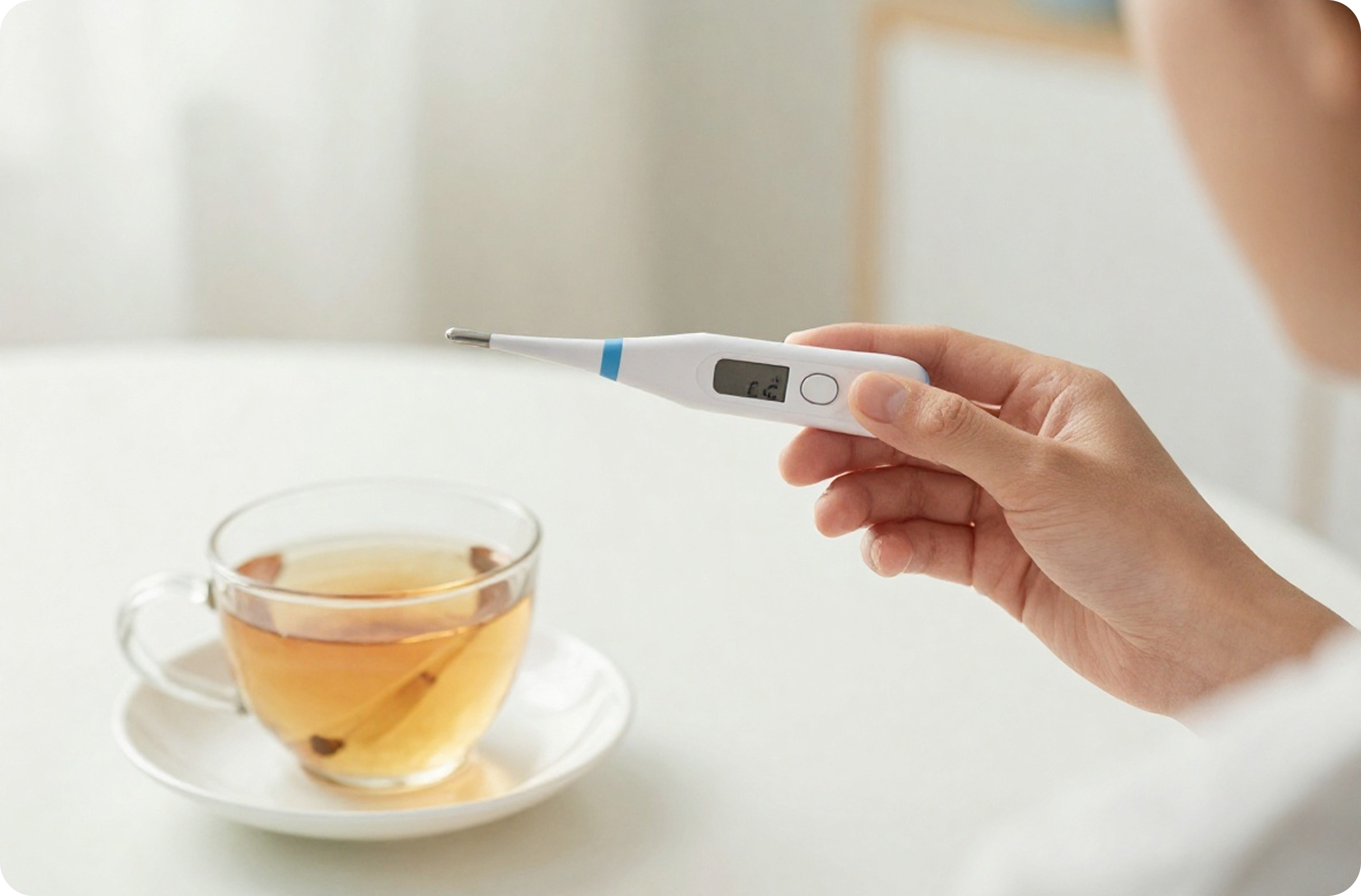
A temperature of 38C or above is usually considered a high temperature, or fever. It is most often the body's response to an infection, which is why the reading on the thermometer matters less than how the person actually feels and looks.
A mild fever in someone who is alert, drinking normally and otherwise comfortable does not always need medicine. The goal of treatment is to relieve discomfort, not to force the number down.
The two medicines most commonly used
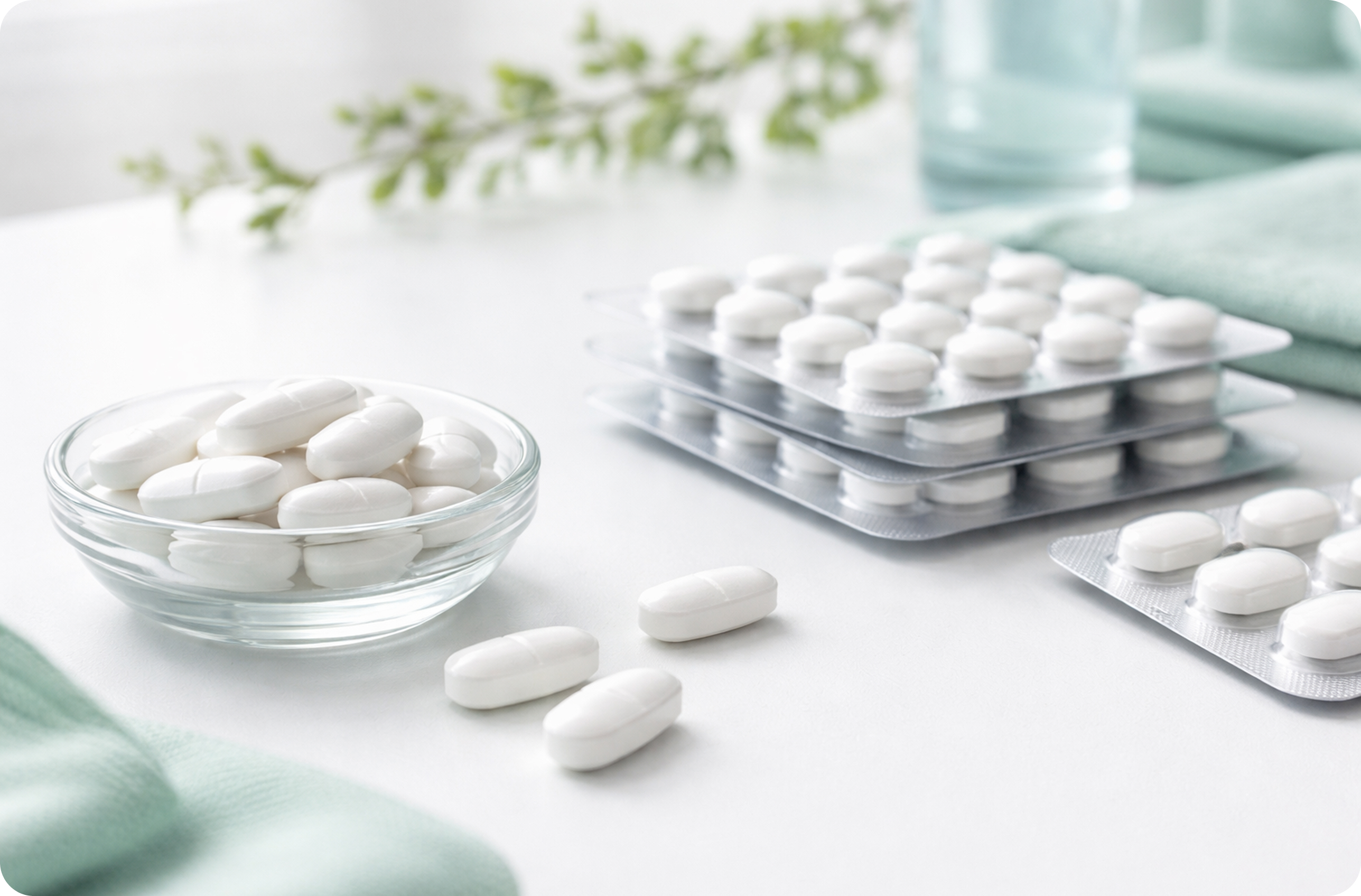
For a high temperature, standard self-care advice is rest, plenty of fluids, and paracetamol or ibuprofen if you feel uncomfortable. Both lower a fever and ease the aches that come with it.
- Paracetamol is the usual first choice. It is gentler on the stomach and suits most people, including many who cannot take anti-inflammatory painkillers.
- Ibuprofen also reduces inflammation, which can help when a fever comes with sore muscles or a sore throat. It has more restrictions on who can take it.
Take either one strictly as directed on its packaging. Taking more than the label allows does not bring a fever down faster, and with paracetamol it is genuinely dangerous.
Who should be careful with ibuprofen
Ibuprofen is not suitable for everyone. Speak to a pharmacist or doctor before taking it if any of the following apply to you.
- You have had a stomach ulcer, bleeding in the stomach, or a perforation caused by an anti-inflammatory medicine.
- You have severe kidney problems. Anti-inflammatory medicines can affect the kidneys, particularly where there is existing kidney disease.
- You have asthma and have not taken ibuprofen before without a problem.
- You have a condition or take a medicine that increases your chance of bleeding.
If ibuprofen is not suitable, paracetamol is usually the alternative. A pharmacist can confirm what fits your situation.
Never give aspirin to a child under 16
Aspirin and children
- Do not give aspirin to anyone under 16 unless it has been prescribed for them by a doctor.
- Aspirin and related salicylates have been linked to Reye's syndrome, a very rare but serious condition affecting the liver and brain.
- This includes other products containing salicylates, such as some mouth ulcer gels.
Doctors do sometimes prescribe low-dose aspirin to children for specific conditions, such as after heart surgery or for Kawasaki disease. That is a different situation from treating a fever at home.
Do not take two medicines with the same ingredient
Many cold and flu remedies already contain paracetamol. Taking one of those alongside plain paracetamol tablets is one of the most common ways people accidentally exceed the safe daily limit.
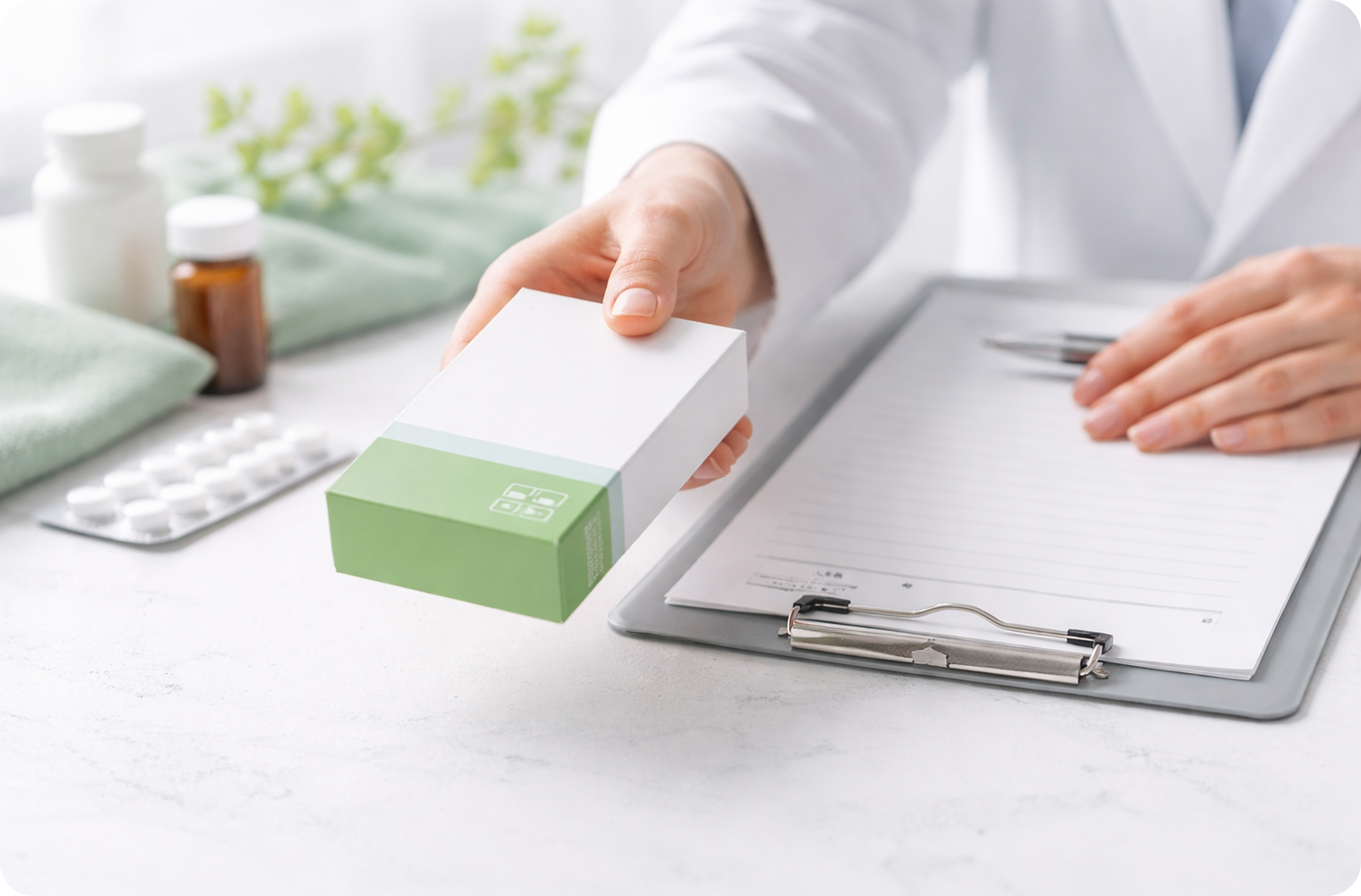
Read the active ingredients on every pack before combining products, and ask a pharmacist if you are unsure whether two medicines can be taken together.
Antibiotics do not treat a fever
Most fevers are caused by viral infections, and antibiotics have no effect on viruses. Taking antibiotics that are not needed will not shorten the illness, and it contributes to antibiotic resistance, which makes these medicines less effective when they genuinely are required.
When to get medical help
Contact a doctor if you have been treating a high temperature at home and it is not getting better, or it is getting worse. Seek urgent medical attention if any of the following apply.
Get urgent help if
- A baby under three months old has a temperature of 38C or above.
- There is a stiff neck, or a rash that does not fade when a glass is pressed against it.
- There is difficulty breathing, chest pain, or a seizure.
- The person is confused, unusually drowsy, or difficult to wake.
- There are signs of dehydration, such as passing very little urine, or no tears when crying.
- The fever is very high, lasts more than three days, or keeps returning.
Trust your judgement. If someone seems seriously unwell, get medical help regardless of what the thermometer says.
Sources
This article is general information, not medical advice, and it cannot account for your own health, medicines or allergies. Always follow the instructions on your medicine packaging and consult a qualified pharmacist or doctor before starting, stopping or changing any treatment.