Health Tips
How to Take Paracetamol Safely
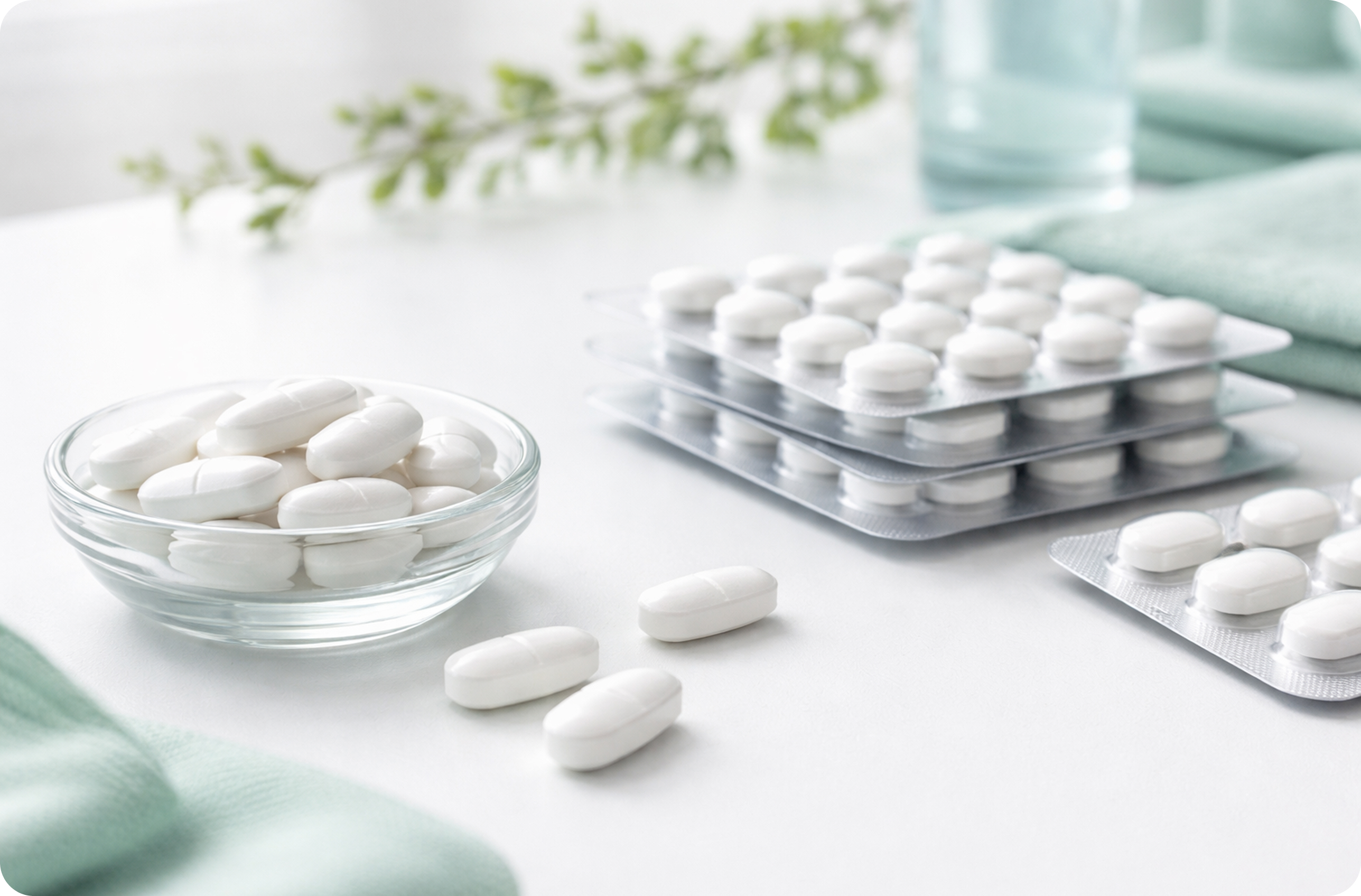
Paracetamol is one of the most widely used medicines in the world and is very safe at the right dose. The margin between a normal dose and a harmful one is narrower than most people expect, so it is worth knowing the numbers.
What paracetamol is for
Paracetamol relieves mild to moderate pain and brings down a high temperature. It is often the first choice for headaches, toothache, period pain and the aches that come with a cold or flu.
It does not reduce inflammation the way anti-inflammatory painkillers such as ibuprofen do, so it may be less effective for pain driven by swelling. Its advantage is that it suits many people who cannot take anti-inflammatories.
The usual adult dose
- The usual dose is one or two 500mg tablets at a time, taken up to four times in 24 hours.
- Leave at least four hours between doses.
- Do not take more than eight 500mg tablets in 24 hours.
- If you are taking 1g tablets, do not take more than four in 24 hours.
Always check the pack
- Paracetamol is sold in different strengths and formulations, and the directions can differ between products and between countries.
- The instructions on the packaging of the specific product you are holding take priority over any general guide, including this one.
The most common mistake: doubling up
Paracetamol is an ingredient in a great many combination products, particularly cold and flu powders, night-time remedies and some prescription painkillers. Someone treating flu can easily take a hot drink remedy and paracetamol tablets within the same hour without realising both contain the same medicine.
Do not take paracetamol together with any other medicine containing paracetamol. Check the active ingredients on every pack, and if two products are already in your cupboard, ask a pharmacist before combining them.
Who should ask before taking it
Most adults can take paracetamol, but some people need a lower dose or a different medicine. Speak to a pharmacist or doctor first if you have liver or kidney problems, if you regularly drink alcohol, if you have a low body weight, or if you take other prescription medicines.
If you are pregnant or breastfeeding, or buying for someone who is, ask a pharmacist rather than assuming a standard adult dose applies.
Paracetamol for children
Children's doses are worked out by age and weight, and are lower than adult doses. Use a product made for children, follow the dosing chart on that pack, and measure liquids with the syringe or spoon supplied rather than a kitchen spoon.
Do not give a child a portion of an adult tablet unless a doctor or pharmacist has specifically told you to.
Too much paracetamol is a medical emergency
If too much has been taken
- Go to a hospital immediately, even if the person feels completely well.
- Liver damage from paracetamol can develop without obvious early symptoms, and treatment works best when it is started early.
- Take the packaging with you so the medical team knows exactly what and how much was taken.
Waiting to see whether symptoms appear is the wrong approach with paracetamol. Feeling fine in the hours after an overdose does not mean no harm is being done.
Sources
This article is general information, not medical advice, and it cannot account for your own health, medicines or allergies. Always follow the instructions on your medicine packaging and consult a qualified pharmacist or doctor before starting, stopping or changing any treatment.